My Most Honest Career Metric Lives in a Folder Called 'No'
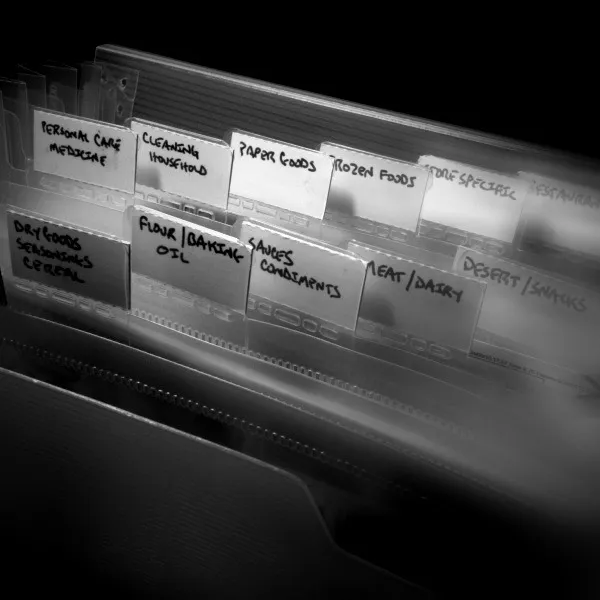
Photo: David Reber from Kansas City, USA, CC BY-SA 2.0, via Wikimedia Commons
On my laptop there's a folder with 214 files in it. Audition tapes that didn't book. Pitch decks that got a "love this!" and then silence. Screenshot after screenshot of emails that open politely and end with "we've decided to move in another direction."
I call it the Anti-Portfolio, and it is — without exaggeration — the most valuable document in my career.
Why Document the Losses?
Because a portfolio lies by omission. It shows you a highlight reel and calls it a career. The Anti-Portfolio shows you the whole game: how many shots you actually took, where you keep losing, and — this is the part nobody talks about — how close you came.
When I started freelancing full-time, I was drowning in a feeling I couldn't name. It turned out the feeling was "rejected at a 6-to-1 ratio and keeping no records." The moment I started filing every no, the fog cleared. A rejection stopped being a verdict on my worth and became a data point. Data points have patterns. Verdicts just hurt.
The January Audit
Every January, I open the folder with a coffee and a notepad and I look for three things.
Patterns. For two straight years, the no's clustered around one thing: long-form hosting. Every tape I sent for hosting gigs came back with variations of "not quite the energy we're looking for." That's not vague — that's a skill gap with a name. I booked a coach, drilled it for a quarter, and the following year's hosting rejections dropped off a cliff.
Skill gaps. Patterns point at gaps, but sometimes the folder reveals something quieter — like how every declined brand pitch came from companies I'd never actually engaged with. I wasn't losing those deals; I was never in the running. That realization reshaped how I pitch entirely.
Near-misses. This is my favorite section. I mark every rejection that said some version of "not right now" or "keep us in mind." Then I wait. Roughly one in five of those comes back around — a new budget, a departed manager, a retooled campaign. Last spring, a podcast that passed on me in 2022 booked me for a four-episode run because the original host left. If I hadn't documented the original no, I'd never have known to circle back.
The Rules of the Folder
A few ground rules if you want to build your own:
- File everything, immediately. The same day. Sentiment softens with time; the folder shouldn't.
- Include the ghostings. Silence is a rejection with worse manners. Screenshot it.
- Log the outcome, not the feelings. "Passed after third round — they hired someone with more live TV experience" is useful. "I'm a failure" is not data.
- Count the attempts, too. The folder's real magic is the ratio. 214 no's means I've knocked on a lot of doors. That number is a flex, not a shame spiral.
What It's Done to My Ego (In a Good Way)
Here's the strange side effect: tracking rejection made me braver. When a no costs you a line in a spreadsheet instead of a wound in your chest, you send more pitches. You audition for things that scare you. Your volume goes up, and volume is the tide that lifts everything.
I'm not suggesting you celebrate rejection — I'm suggesting you use it. A portfolio gets you hired. An Anti-Portfolio gets you better. And in a career like mine, where the feedback is mostly silence, better is the only metric you can actually control.
So no, I won't be deleting that folder. It's got 214 entries and a waiting list.