Ten On-Camera Lessons I Learned the Hard Way (So You Don't Have To)
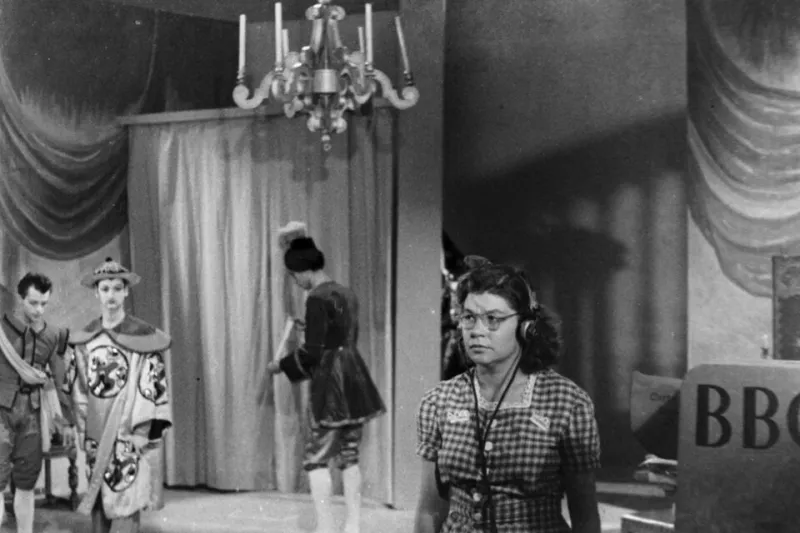
Photo: Unknown authorUnknown author, Public domain, via Wikimedia Commons
My first on-camera appearance was a local morning show segment in a studio so small the host and I were practically sharing a chair. I wore a houndstooth jacket that looked fantastic in my closet and like a vibrating optical illusion on air. Nobody warned me. So consider this me warning you.
1. Skip the Fine Patterns — Seriously
Tight checks, thin stripes, and herringbone can create a moiré effect on camera: that shimmery, strobing mess that makes viewers squint. Solid colors are your friend. Jewel tones — emerald, sapphire, deep magenta — read beautifully under studio lights. Pure white can blow out; jet black can swallow you. Mid-tones are the sweet spot.
2. Matte Is Not Optional
Studio lights are basically interrogation lamps with better PR. Shimmer highlighter and dewy finishes turn into reflective hot zones on HD cameras. Blot, powder, matte. Your skin will thank you on the replay.
3. Rehearse Your First Two Sentences — Only
Don't memorize your whole talking track. You'll sound like a GPS. Instead, nail your opening cold. Once you're rolling, momentum carries you. A wobbly start is what people remember; a wobbly middle is just conversation.
4. Bring a Backup Everything
My rule now: two tops, a spare pair of hose, a travel steamer, blotting papers, and a granola bar in every appearance kit. The time I didn't bring a backup top was the time a coffee found my sleeve forty seconds before going live. The universe has a sense of humor. Plan for it.
5. Sit on Your Jacket, Not Your Blouse
A veteran anchor in Atlanta taught me this one. When you sit, smooth your top down and let your jacket (or a folded cloth) anchor behind you. Otherwise you get that bunching at the shoulder that reads as "nervous" even when you're not.
6. Answer the Question You Wish They'd Asked
Sooner or later you'll get a hostile or just plain off-track interviewer. The graceful move isn't to fight — it's to pivot. "That's a fair point, and what I'd add is this..." Then steer to your message. Politely, every time. The audience remembers composure, not the ambush.
7. Silence Is a Pause, Not a Failure
Beginners rush to fill dead air. Don't. A two-second pause before answering makes you look thoughtful, and it gives editors a natural cut point. Breathe. The dead air feels ten times longer to you than to anyone watching.
8. Check the Frame Before They Roll
Ask where the camera will be and what the shot includes. I once did a podcast video interview in a chair that put my microphone pack dead center of the frame. The whole episode, there it was — a little black box riding my waistband like an uninvited guest. Thirty seconds of asking would've saved me the highlight-reel shame.
9. Have One Story and One Number Ready
Producers love a story; audiences love a stat. Before any appearance, I prep one short personal anecdote and one concrete number related to my work. That combo gets you quoted, clipped, and invited back.
10. Send the Thank-You — It's Not Old-Fashioned, It's Strategy
Within 24 hours, email the producer and host. Thank them, share the clip, tag everyone in your posts. Media is a relationship business, and the person who's easy to work with gets the next booking. Half my repeat appearances exist because of a two-line follow-up email.
One Last Thing
You will cringe watching yourself back. Everyone does. I once spent a full evening rewatching my first segment with the volume muted because I couldn't stand my own voice. That's normal — and it fades. What doesn't fade is the confidence you build every time you show up, learn one new trick, and go again.
Wear the solid color. Bring the backup top. Steer the interview. And when the red light comes on, remember: they invited you.