A Total Stranger Went Through My Closet on Camera — and Called Out Everything
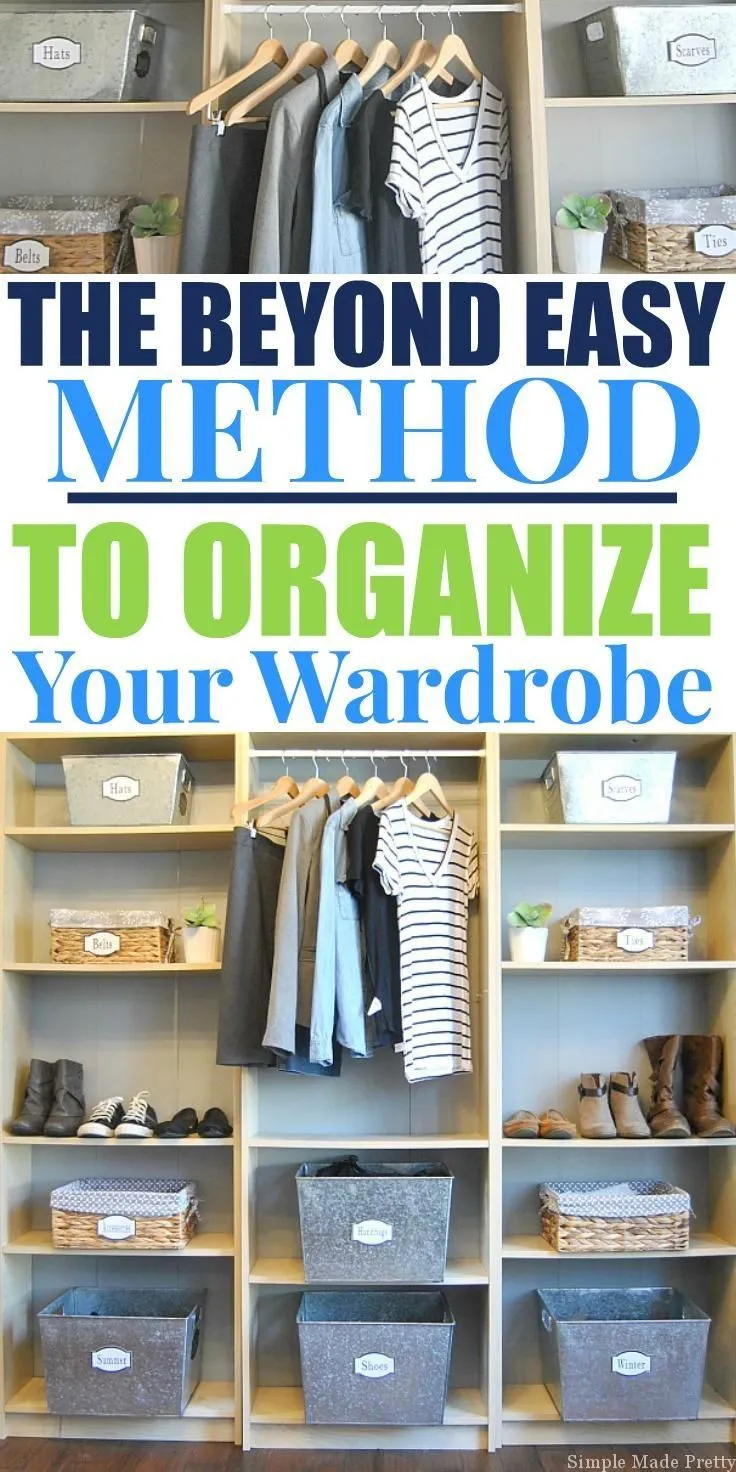
Photo: stylist organizing capsule wardrobe in bright closet, via i.pinimg.com
There are two versions of my closet. There's the one you see in vlogs — the tidy rail, the neutral palette, the one "get ready with me" corner that always looks camera-ready. And then there's the truth: a spare room where approximately 200 items of clothing go to be forgotten.
So when I decided to do a full closet audit on camera, I made two rules to keep myself honest. One: no retakes. Two: the stylist had never met me, watched my content selectively, and was contractually free to say whatever she wanted. I found Marcus through Instagram — his before-and-afters were ruthless in the best way — and flew him to LA for a day.
The Audit: No Mercy, No Edits
Within ten minutes, Marcus had identified my hoard. It's white tees. I own — he counted — twenty-three. "You're not building a wardrobe," he said, holding up a stack, "you're running a small T-shirt franchise."
Then came the harder truths. A silk slip dress I bought for an event three years ago, worn once, tags still on. A pair of "camera pants" so tight I'd never worn them for more than a photo. And an entire section he named "the guilt rack": expensive pieces I kept because they cost something, not because they did anything.
The most surprising stat: roughly 60% of my closet had never appeared on camera or in my real life in over a year. I was dressing around a fantasy version of my week — the one with gala appearances and rooftop dinners — instead of the actual one, which is 70% filming at my kitchen table and running to Target.
The Tug-of-War: Personal Style vs. Camera Style
Here's where it got genuinely emotional. Marcus kept pulling pieces I loved — oversized menswear shirts, a battered denim jacket, my grandfather's watch — and asking why I never wore them on camera. My answer, embarrassingly, was always some version of "they don't read well on screen" or "they're not my brand."
He stopped me cold with one question: "Are you a person who has a brand, or a brand who occasionally has a person?"
We negotiated. Some pieces genuinely don't work on camera — fine, they stay off-camera. But the denim jacket? It comes back. The watch? Non-negotiable, every shoot. The compromise we landed on: the capsule had to work for both lives, not sacrifice one for the other.
The Final 12-Piece Capsule
After three bags for donation and one for resale (hello, Poshmark side quest), here's what survived as the working capsule:
- Two perfect white tees (not twenty-three — two)
- One black turtleneck
- One oversized button-down, worn three ways
- Dark straight-leg jeans
- Wide-leg trousers that film well and feel like pajamas
- One blazer that isn't part of a suit
- A knit midi dress
- The denim jacket
- One pair of white sneakers, one pair of black boots
- Grandpa's watch
Twelve pieces, roughly thirty outfits, and — this is the part I didn't expect — zero morning anxiety. Getting dressed for a shoot used to take forty minutes of trying things on. It now takes four.
What the Camera Actually Needed
The biggest lesson wasn't about clothes at all. I'd spent years dressing for an imagined audience, assuming the algorithm wanted polished and the viewers wanted aspirational. But my most-commented outfit of the past year? A $28 thrifted cardigan from a Goodwill in Austin. Marcus didn't tell me to buy anything expensive. He told me to buy myself, on purpose, twelve times.
The full unedited audit is up on my channel — including the moment I nearly cried over a blazer, and Marcus pretending not to notice. No retakes. Worth it.